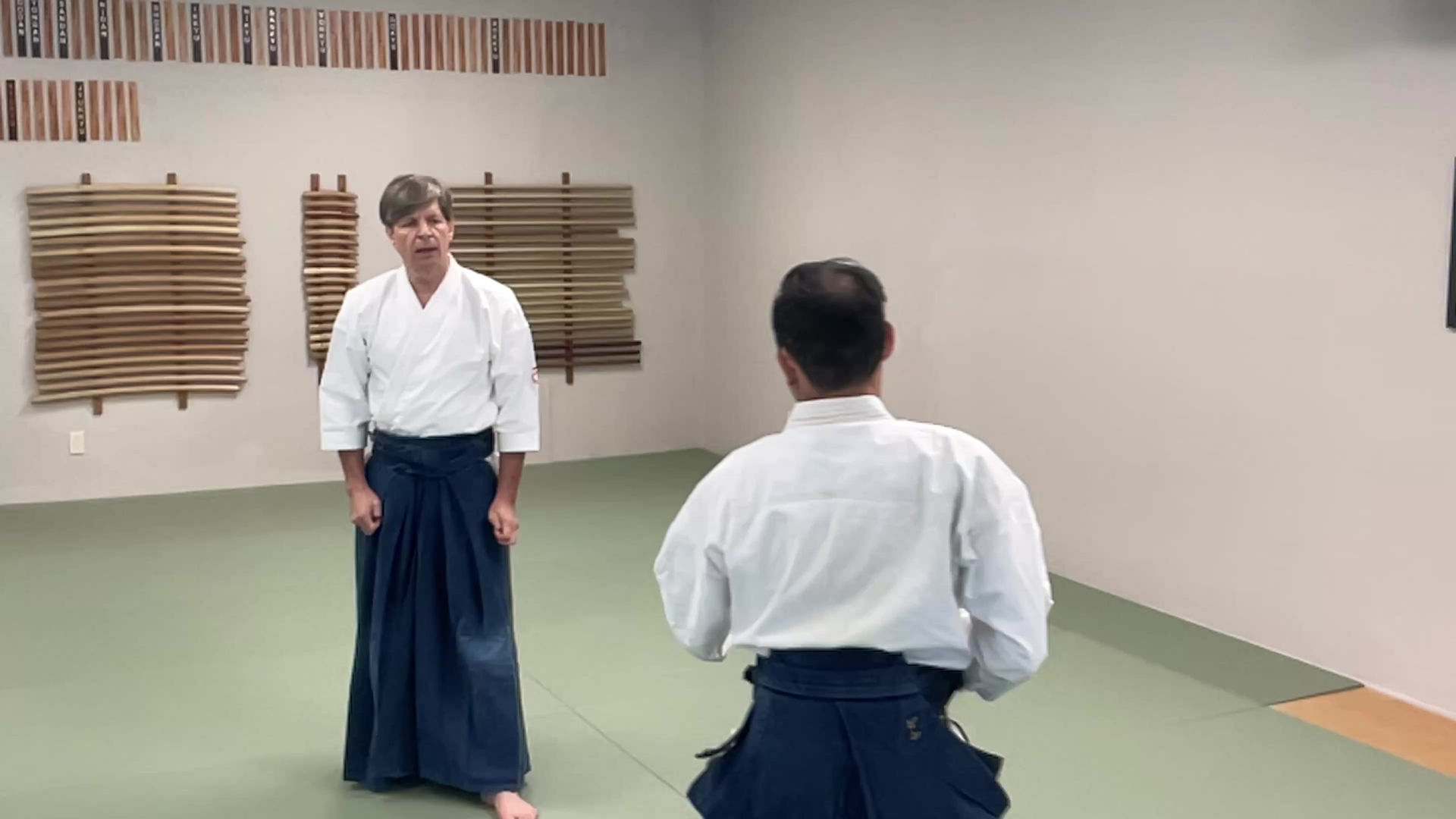


Osoji - cleaning Sat 12/30 after adult's class
Get ready!! - M
Osoji or Ōsōji (大掃除) is a Japanese tradition of year-end cleaning. It involves thorough cleaning and decluttering of homes, offices, and public spaces to welcome the new year with a fresh start. The practice goes beyond routine cleaning, embodying purification and renewal. Osoji has historical roots, with its origins traced back to the Heian period.
It includes cleaning both the physical space and symbolic elements, such as removing the dust of the past year and creating a harmonious environment. Osoji is observed in December, and its cultural significance extends to promoting unity, spiritual renewal, and a positive beginning for the coming year.
History of Osoji
The origin of Osoji dates back to the ancient Heian period (794-1185) in Japan. During that time, a ceremonial event called "Susuharai" took place in the Imperial Court in December, where the soot of the past year was cleansed to welcome the deities.
In the subsequent Kamakura period (1185-1333), this custom expanded to temples and shrines. In the Edo period, the tradition further evolved, designating December 13th as "Soot Sweeping Day" and initiating a grand cleaning at Edo Castle. This marked the beginning of the widespread culture of Osoji among the general public.
Even in modern times, Susuharai continues at shrines and temples, often observed nationwide on December 13th. Consequently, it is considered customary and proper to conduct Osoji on this date.
Additionally, the year-end cleaning tradition of Osoji is rooted in welcoming Toshigami-sama(歳神様), the deity associated with the New Year. Toshigami-sama is believed to bring happiness upon arrival in the new year, making it essential to clean and purify the home to show respect. Therefore, it is considered important to engage in a thorough year-end cleaning to ensure a clean and respectful environment for the deity's visit and to start the new year on an auspicious note.
"Toshigami(歳神)" refers to the deity welcomed and celebrated in households during the New Year in Japan. Toshigami-sama is considered a deity that brings bountiful rice harvest, and is also said to be a guardian of ancestral spirits.